History of famous pirates and piracy
Piracy is an act of robbery, criminal violence of other war-like acts that are committed at the sea by private parties that are not
affiliated with any government. This term does not describe the crimes that are for instance committed by passengers on one single ship, but it
refers to the raids of organized criminal groups across the sea, shore, land and air. Piracy came into existence shortly
after the creation of first organized naval trading in the early 2nd century BC, but it received major growth and public popularization after the
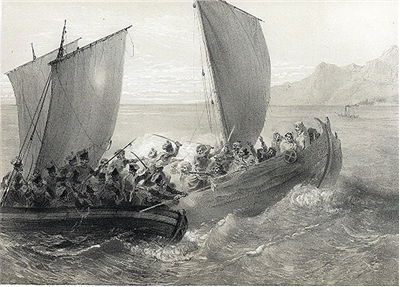
discovery of the New World and trade routes to India. It is important to distinguish difference between pirates who operated in the search of money and riches, and
privateers, who were government sanctioned parties that fought at sea against hostile countries.
Some of the first mentioning's of piracy that were preserved in historical records described the raids of Likka sailors in
Mediterranean Sea in 1400-1200 BC. During those ancient periods Roman trade and military ships were frequently attacked by the pirate fleets of
Illyrians which operated from their bases in Adriatic Sea. Another famous example of ancient pirates comes from
Cilicia. They even managed to capture famous Roman Emperor Julius Cesar on one of their raids. In the following centuries, Romans formed several military
fleets with the plan to wipe out pirates, most notably mission of General Carausius who protected waters of English Chanel against pirate raids.
Between 10th and 14th century, many European countries joined their forces against numerous waves of pirate
attacks. Viking sea raids proved to be a constant threat to the north for many centuries, German cities formed several alliances to protect themselves
against pirates in 1200s, English cities formed organized defenses in 1300s, and French and English fleets joined forces in organized attack against
African based pirates toward the end of 14th century.
Increased trade between Europe and India in 15th century gave birth to the rising wave of piracy. The prime attack of many pirates became "
treasure fleets" that carried newly discovered wealth to the ports of Spain, Portugal and England. Hostilities
between those countries helped for the formation of Privateers, state sponsored pirates who had official pardon for raiding and destroying supplies
and war machinery of enemy countries.
The most notable period of piracy happened between 1650s and 1730s in a period that is today known as "Golden Age of
Piracy
and various publications started promoting their idolized way of life, great adventures and riches that they captured. Some of the most notable
pirate captains managed to inflict such a fear and devastation to the trade community, that they even manage to completely stop naval commerce between
commerce in few occasions. Exploits of pirates such as Blackbeard (who operated in Caribbean and was famous for his theatrics and personal image),
Henry Every(who managed to capture incredible wealth and retire without being caught by authorities), Henry
Morgan (who fought against Spanish as a privateer his entire life), Edward Low (famous for his cruelty and love for torture), and
Anne Bonny (one of the rare female pirates) managed to attract such attention, that European and US governments had
to react. For years their armies were occupied with fighting among themselves, but when peace treaties have been signed threat of piracy
became unbearable to all of them. With few organized attack they managed to kill several major pirate captains (such as Bartholomew
Roberts who captured over 470 ships in Caribbean and West Africa), destroy their hideouts (at the peak of the pirate activity, their bases at Madagascar
held over 1000 people) and provide better support to trade fleets and end so called "Golden Age of Piracy".
Asia received its fair share of piracy. 13th century saw the rise of Wokou, organized fleets of Japanese
pirates that raided surrounding ports of China and Korea for the next 300 years. The most powerful Chinese pirate fleets operated in early 19th
century, during the reign of Qing dynasty. The most notable pirate of that time was without a doubt female pirate captain Ching Shih (also known as
Zheng Yi Sao) who ruled over the fleet of 1800 ships and 80 thousand pirates. During her life she openly waged war
against every naval superpower of her time (China, Englandand Portuguese) and managed to remain undefeated.
Portrayal of pirates became greatly popularized after the end of 18th century. Many authors showed them as rebellious,
clever teams who operated outside of oppressing bureaucracy of modern life. Many of those popularized tropes about pirate lifestyle survived an even
up to today - their iconic wardrobe, way of speech, use of Jolly Roger black flags, pirate code, myths and legends about their exploits and hidden
buried treasure.
In modern times, one of the only surviving places where organized piracy still thrives is Somalia. Since
2005 they started hijacking and raiding ships that travel near their waters, thus creation one of the greatest impacts to the state of world trade
economy of the modern civilization.